

A state flag is more than a piece of colorful fabric. It represents local history, shared identity, and the traditions that make each state unique. Displaying a flag outside a home, office, school, or community building is a simple way to celebrate that connection. From Montana's rich heritage to Hawaii's distinctive design and California's historic symbolism, every state flag has a story worth discovering. Choosing the right flag also involves practical decisions about fabric, size, mounting style, and weather conditions. With a little planning, it becomes easier to select a flag that looks attractive and lasts longer.
Discover the Meaning Behind Three State Flags
Montana: A Symbol of History and Heritage
The Montana's state flag features a blue background with the state seal at its center. The seal includes mining tools and agricultural imagery, with the Great Falls of the Missouri River in the background. These details reflect Montana's connection to its natural resources, farming traditions, and mining history.

The state motto, “Oro y plata,” means “Gold and Silver,” highlighting an important part of Montana's past. This design makes the flag a meaningful choice for residents, history enthusiasts, and anyone who appreciates the American West.
Hawaii: A Distinctive Design with Historical Roots
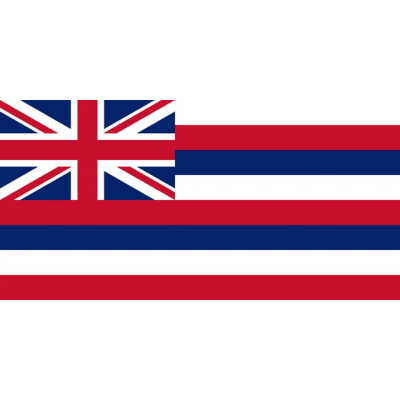
The Hawaii flag stands out for its combination of red, white, and blue stripes and the Union Jack in the upper corner. Its design reflects Hawaii's historical connections with Britain and the United States.
Hawaii became a U.S. territory in 1898 and joined the Union as the 50th state in 1959. The flag offers a visual reminder of the islands' unique history and cultural identity. It can be a thoughtful addition to a home, a school display, or a collection celebrating American state symbols.
California: A Recognizable Emblem of the Golden State
The California state flag for sale features a white field, a grizzly bear, a red star, and a red stripe along the bottom. The bear represents strength, while the star recalls the state's early history. California entered the Union in 1850 during the era associated with the famous Gold Rush.

Its bold imagery makes the flag easy to recognize and a popular choice for residents, businesses, and people who feel connected to California's culture and history.
How to Choose a Flag That Fits Your Needs
A design may catch your eye first, but material and size matter just as much. Before purchasing, consider where the flag will be displayed and how often it will fly.
Compare Fabric and Attachment Styles
Two common fabric options are nylon and polyester, each offering different benefits:
-
Nylon: Lightweight and suitable for regular use, particularly in sunny or humid conditions.
-
Polyester: Heavier and a practical option for locations exposed to persistent strong winds.
-
Header and grommets: A common attachment style that works with many flagpoles.
-
Pole hem: A sewn opening that allows a pole to slide through, often preferred for indoor displays.
Choosing the right combination can help improve the flag's appearance and suitability for its surroundings.
Select a Suitable Mounting Setup
A flag needs a secure, compatible mounting arrangement to display properly. A flagpole kit offers a convenient starting point, with a six-foot, two-piece aluminum pole, a two-position mounting bracket, a silver ball top, and a 3-by-5-foot American nylon flag.

Before installation, check the available space, mounting surface, local wind exposure, and the manufacturer's installation guidance. Secure mounting helps the flag hang neatly and reduces unnecessary strain on the hardware.
Keep Your Flag Looking Its Best
Regular care can help extend a flag's useful life. Inspect it for frayed edges, loose stitching, or worn attachment points. Clean it according to the fabric's care instructions, allow it to dry completely before storage, and lower it during severe weather when appropriate.
Give Your Display a Meaningful Finish
A well-chosen state flag adds character to a property while celebrating the history and identity behind its design. By considering symbolism, fabric, size, and mounting needs, you can create a display that feels personal, looks welcoming, and remains ready to fly proudly.
Share:
Practical Display Ideas for Homes, Businesses, and Events